Pinnawala and the Elephants: What Is the Responsible Choice?
6 min read
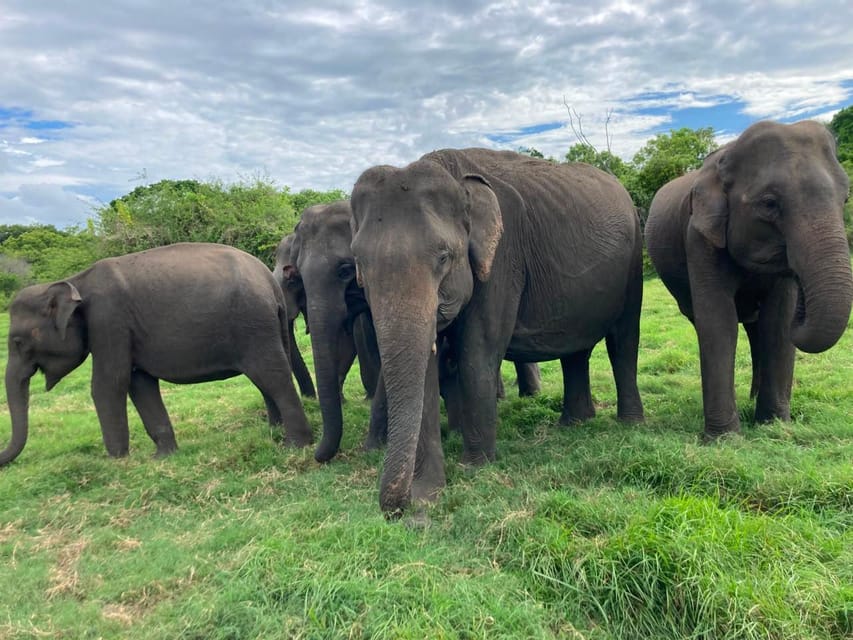
Pinnawala is a captive elephant institution, not a safari and not a place where animals are observed living freely in a national park. The state zoo department describes rescue, care and captive breeding as its purpose. Independent criticism focuses on confinement, chaining and tourist contact. A responsible decision therefore begins by being honest about what the ticket funds and what you will see. If you want to see elephants, a safari is the better choice: the group day tour from Kandy to Sigiriya offers an afternoon jeep safari, paid separately, in Minneriya, Kaudulla or Habarana Eco Park, where wild elephants live in their natural habitat.
What the official day looks like
The Department of National Zoological Gardens lists opening at 8:30 am, ticket sales until 5:00 pm and visitor closing at 6:00 pm. Its schedule sends the main herd to the Ma Oya from 10:00 am to noon and again from 2:00 to 4:00 pm. Those windows make more sense than arriving randomly between movements.
The same official page sells fruit feeding, ten-minute bathing sessions and ten-minute walks beside an elephant. These are optional paid interactions, not part of merely observing the herd. Heavy rain may suspend bathing. If animal contact is the part that troubles you, decline these extras rather than assuming a ticket requires participation.
The welfare question
The official website presents Pinnawala as conservation and education. Animal-welfare organisations and many visitor accounts describe something else: chained elephants, confinement and signs of stress. That disagreement cannot be solved by relabelling the facility a “sanctuary”. It is reasonable to skip Pinnawala entirely and prioritise a properly managed national-park safari, where sightings are not guaranteed and distance is part of the experience.
If you do visit, observe rather than touch, do not reward unofficial handlers, follow barriers and avoid any activity that asks an elephant to perform for a photograph. The zoo’s rules allow feeding only through its own interaction programme and warn that unauthorised contact with the animals can cause injury.
From Kandy
Pinnawala is a separate excursion, not a quick Kandy-centre stop. The official tourism portal places it near Rambukkana and notes that Rambukkana railway station is the nearest rail access. Check the current train and last-mile connection rather than relying on a fixed journey time. Kandy station itself has no trains while the Peradeniya railway bridge is rebuilt, so from Kandy the trip starts by road. Packaged tours from other resort towns may appear in search results; do not book one until the departure point clearly says Kandy.
Our recommendation is to skip paid bathing, feeding and elephant walks. Visit only if seeing the state facility with its compromises is an informed choice; otherwise spend the day on a nature excursion where wildlife remains at a distance, such as the Sigiriya day tour with an elephant safari. Browse day trips from Kandy for alternatives.